

Certain countries experience more squalls with sudden wind increases due to factors such as topography, ocean currents, and seasonal changes. Geographical features like mountains can raise moist air, while warm ocean currents contribute to storm development. Additionally, temperature variations throughout the seasons can intensify squalls. Urbanization alters local airflow, further influencing weather conditions. Understanding these dynamics reveals why some regions are particularly susceptible to squall activity, nurturing curiosity about the complex interplay of these elements.
Main Points
- Countries with diverse topography, like Bangladesh and Australia, experience squalls due to orographic lift and wind channeling effects.
- Warm ocean currents, such as the Gulf Stream, enhance evaporation, leading to increased squall frequency in coastal regions.
- Seasonal temperature variations, particularly in spring and summer, create conditions favorable for squalls with intense rainfall and wind increases.
- Urbanization disrupts natural airflow, resulting in localized wind patterns that can intensify squalls in densely populated areas.
- Historical weather trends indicate specific regions consistently experience squalls, influenced by climate change and geographic factors.
The Role of Topography in Squall Formation
Although squalls can form in a variety of meteorological conditions, topography plays a crucial role in their development. The interaction between local geographical features and prevailing weather patterns can exacerbate or suppress squall formation.
For instance, mountainous regions can create orographic lift, where moist air is forced upward, cooling and condensing to form precipitation. This can lead to sudden wind increases as the air descends on the leeward side, generating squalls.
Valleys and coastal areas can also influence squall behavior, as they channel winds and can create localized turbulence. Urban environments, with their heat islands, might further intensify these effects, altering local wind patterns.
Consequently, the physical terrain greatly contributes to the frequency and intensity of squalls, making it essential to take into account topography when analyzing weather phenomena in different regions. Understanding these interactions allows meteorologists to better predict squall occurrences and their potential impacts.
Impact of Ocean Currents on Weather Patterns

Ocean currents serve as essential conduits for heat and nutrient distribution across the globe, greatly influencing weather patterns. These flowing bodies of water regulate temperatures, thereby affecting both atmospheric conditions and precipitation levels.
For instance, warm currents, such as the Gulf Stream, raise air temperatures, which can lead to increased evaporation and the formation of storm systems. Conversely, cold currents can result in cooler air, suppressing storm development and leading to drier climates.
The interaction between ocean currents and wind patterns also plays a major role in shaping local weather. Currents can improve or inhibit the intensity of storms, as seen in regions where warm and cold waters converge.
This dynamic is vital for understanding why certain areas experience more frequent squalls and sudden wind increases. In the end, the complex interplay between ocean currents and atmospheric conditions highlights the importance of marine systems in global weather variability.
Seasonal Influences on Wind and Rain Events
The influence of seasons on wind and rain events is considerable, as changes in temperature and atmospheric pressure patterns directly affect weather conditions.
During spring and summer, warmer air can lead to increased evaporation, resulting in higher humidity levels. This moisture often culminates in intense rainfall and wind gusts during thunderstorms.
Conversely, in autumn and winter, cooler temperatures and shifting pressure systems can create conditions for squalls, as cold fronts move in and interact with warmer, moist air.
Regions closer to the equator may experience more pronounced seasonal shifts, leading to distinct wet and dry periods, while temperate zones can see squalls associated with frontal systems.
The timing and intensity of these events can vary greatly, influenced by local topography and prevailing winds.
Understanding these seasonal dynamics helps meteorologists predict the likelihood and severity of wind and rain events, providing critical information for preparedness and response.
Climate Zones and Their Relation to Squall Frequency
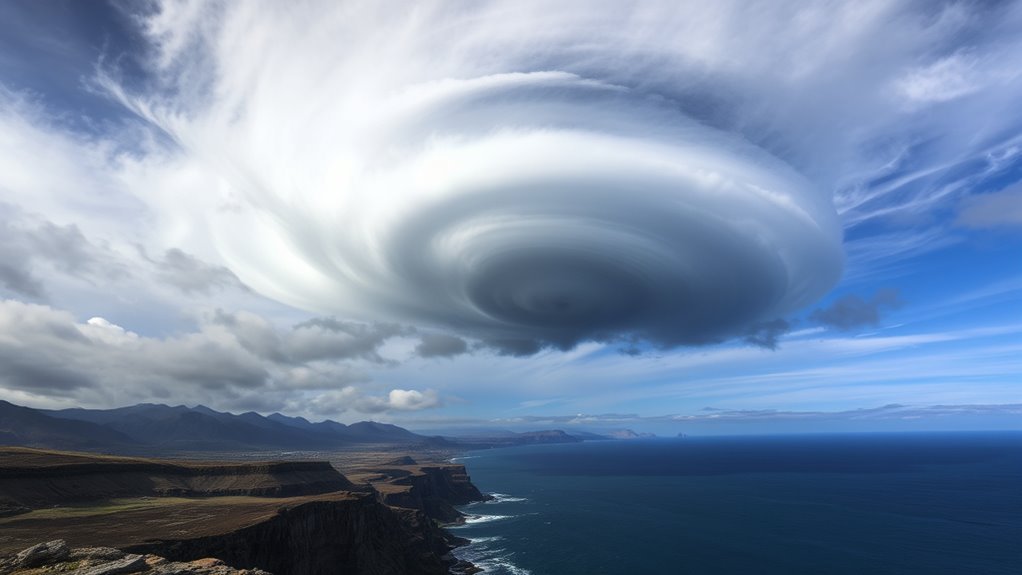
The frequency of squalls varies markedly between tropical and temperate zones, influenced by distinct climatic conditions.
In tropical regions, warm waters and moisture contribute to more intense squall activity, while temperate zones experience varied wind patterns due to seasonal changes.
Additionally, topography plays an essential role, as mountainous areas can exacerbate or diminish squall intensity through their effect on wind flow.
Tropical vs. Temperate Zones
Climate zones play an essential role in determining the frequency and intensity of squalls, with tropical and temperate regions exhibiting distinct features.
Tropical zones, defined by warm temperatures and high humidity, often experience frequent squalls due to the intense convection processes that lead to rapid atmospheric instability. These conditions facilitate the development of thunderstorms, which can produce sudden and powerful wind increases.
In contrast, temperate zones experience more variable weather patterns influenced by the changing seasons. Squalls in these regions tend to be less frequent but can still be intense, often associated with frontal systems and shifting air masses.
Understanding these differences is important for predicting squall behavior and mitigating their potential impacts on affected areas.
Topography's Impact on Winds
While squalls can occur in various climate zones, topography significantly influences their frequency and intensity. Mountains, valleys, and coastal features shape wind patterns, often leading to localized squall events.
For instance, when winds are forced to ascend over mountains, they cool and can lead to increased precipitation, potentially resulting in sudden wind shifts. Conversely, valleys can create funneling effects, enhancing wind speeds and increasing squall severity.
Coastal areas are also affected, as sea breezes can interact with land formations, generating abrupt wind changes. Regions with complex topography often experience more frequent and intense squalls compared to flat terrains, where wind patterns remain more consistent.
Therefore, understanding topography is essential for predicting squall behavior in different climate zones.
The Effect of Urbanization on Local Weather
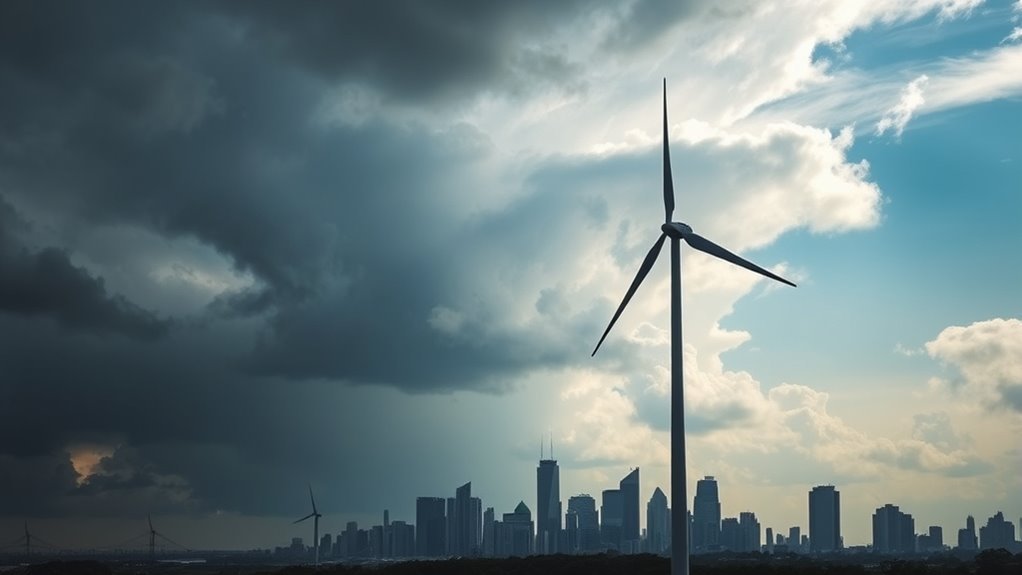
Urbanization greatly influences local weather patterns through the creation of urban heat islands, which raise temperatures in city areas compared to their rural surroundings.
Changes in land use contribute to altered moisture levels and surface characteristics, further impacting precipitation and temperature dynamics.
Additionally, urban infrastructure can disrupt natural airflow, leading to localized wind patterns that may intensify squalls and other weather events.
Urban Heat Islands
The phenomenon of urban heat islands illustrates how city environments can greatly alter local weather patterns.
Urban areas, marked by concrete, asphalt, and limited vegetation, absorb and retain heat more than surrounding rural areas. This results in higher temperatures, particularly during the night, as buildings and roads release stored heat.
The temperature difference can create localized climatic conditions, influencing wind patterns, precipitation, and humidity. Consequently, urban heat islands can lead to increased energy consumption for cooling, heightened air pollution, and modified ecosystems.
These effects not only impact human comfort and health but also play a role in the intensity and frequency of weather events, including squalls.
Understanding urban heat islands is essential for effective city planning and climate adjustment strategies.
Land Use Changes
As cities expand, land use changes considerably impact local weather patterns, altering both temperature and precipitation dynamics.
Urbanization typically replaces vegetation and soil with impervious surfaces, leading to increased heat absorption and higher local temperatures. This phenomenon contributes to the formation of urban heat islands, which can intensify local weather conditions.
Additionally, the alteration of natural environments disrupts the natural water cycle, affecting rainfall distribution and intensity. Changes in land use can also result in reduced soil moisture and increased runoff, exacerbating flooding during heavy precipitation events.
These modifications create a feedback loop that influences local climate, making certain areas more susceptible to sudden weather changes and squalls, finally impacting both ecosystems and human activities.
Airflow Disruption
While cities grow and reshape their terrain, airflow disruption emerges as a remarkable consequence of urbanization. As buildings rise and environments alter, the natural flow of air is considerably affected, leading to unpredictable weather patterns.
Three primary factors contribute to this phenomenon:
- Heat Islands: Urban areas often experience higher temperatures, causing localized convection currents that can intensify wind patterns.
- Obstructions: Tall buildings and structures block and redirect airflow, creating turbulent conditions that can lead to sudden wind increases.
- Surface Changes: The replacement of vegetation with concrete reduces the land's ability to stabilize air temperature and moisture, further complicating local weather dynamics.
These elements collectively highlight the complex interplay between urbanization and atmospheric behavior, ultimately influencing the frequency and intensity of squalls in urban environments.
Historical Weather Trends and Predictions
Although weather patterns can be unpredictable, historical trends provide important viewpoints into squalls and wind increases. Analyzing past weather data reveals recurring patterns, including seasonal fluctuations and regional variations that contribute to these phenomena.
For instance, certain geographic areas consistently experience more frequent squalls due to their topography and proximity to ocean currents, which can intensify wind speeds suddenly.
Meteorologists utilize historical records to develop predictive models that forecast potential squall events. These models incorporate variables such as temperature changes, humidity levels, and atmospheric pressure. By examining historical trends, scientists can identify correlations between specific conditions and the likelihood of sudden wind increases.
Moreover, climate change is altering these historical patterns, leading to more erratic weather behavior. Understanding these evolving trends is essential for improving prediction accuracy and preparing for the impacts of squalls on communities and infrastructure.
Case Studies of Countries Prone to Squalls
Countries situated along coastlines or in regions with specific topographical features often face heightened risks of squalls. These sudden wind increases can have severe consequences for both local ecosystems and human activities.
Three notable case studies illustrate this phenomenon:
- Bangladesh: Located near the Bay of Bengal, Bangladesh frequently experiences squalls associated with tropical cyclones, leading to considerable agricultural and infrastructural damage.
- Australia: The Australian coastline is subject to intense squalls, particularly in the summer months, driven by coastal weather patterns that can shift rapidly, impacting wildlife and tourism.
- United States (Gulf Coast): The Gulf Coast states encounter squalls from both tropical storms and cold fronts, causing hazardous conditions for shipping and recreational activities in the region.
These examples underscore the diverse geographical factors contributing to the prevalence of squalls in various countries.
They highlight the need for effective weather monitoring and preparedness.
Common Questions
What Are Squalls and How Do They Differ From Storms?
Squalls are sudden, brief increases in wind speed, often accompanied by rain. They differ from storms, which are more prolonged weather events featuring severe conditions like heavy rain, thunder, and lightning, lasting longer than squalls.
How Do Human Activities Influence Squall Intensity?
Human activities, such as urbanization and deforestation, can alter local climates, potentially increasing squall intensity. Changes in land use and emissions may disrupt atmospheric patterns, leading to more frequent and severe wind fluctuations during squalls.
Can Squalls Occur in Desert Regions?
Squalls can indeed occur in desert regions, although they are less common. The intense heat can create strong thermal gradients, leading to sudden wind shifts and localized storms, resulting in brief yet powerful squall events.
Are Squalls More Common During Certain Times of Day?
Squalls can indeed be more common during specific times of day, particularly in the late afternoon or early evening. This phenomenon is often linked to temperature changes and increased atmospheric instability at those times.
What Safety Measures Can Be Taken During a Squall?
During a squall, individuals should seek shelter indoors, secure loose objects, avoid windows, and refrain from travel. Staying informed through weather alerts and having emergency supplies on hand can greatly improve safety during such events.