

Squalls are intense weather events that produce sudden and notable increases in wind speed. This rapid change often leads to unpredictable shifts in wind direction, making navigation particularly challenging. The downdrafts associated with squalls can create turbulent conditions, impacting both marine and aerial activities. Understanding these dynamics is essential for safety. Additional perspectives into the signs of impending squalls and their historical impacts can further improve preparedness and response strategies.
Main Points
- Squalls cause sudden increases in wind speed, often exceeding 30 knots, leading to abrupt wind shifts.
- Strong downdrafts during squalls push cooler air down, creating turbulent conditions and altering wind direction.
- Localized pressure drops from approaching squalls can result in sharp changes in wind patterns over short distances.
- The rapid ascent of warm, moist air in squalls contributes to unpredictable and sudden wind shifts.
- Understanding the relationship between squalls and wind shifts is crucial for maritime and aviation safety to prevent accidents.
Understanding Squalls: Definition and Characteristics
Squalls are sudden, intense bursts of wind that often accompany storms, defined by a rapid increase in wind speed and a brief duration. These phenomena can occur with little warning, making them particularly hazardous for mariners and outdoor enthusiasts. Characteristically, squalls can produce winds exceeding 30 knots, sometimes reaching gale force, leading to dangerous conditions, especially at sea.
Typically, squalls are associated with convective activities, such as thunderstorms, where rapid changes in atmospheric pressure contribute to the intensity of the wind. The onset of a squall is marked by a noticeable shift in wind direction, often from a calm state to a violent gust.
While they are often short-lived, lasting only a few minutes, the impact on local weather conditions can be notable, causing rapid changes in temperature and humidity. Understanding the characteristics of squalls is essential for anticipating sudden wind shifts and ensuring safety during inclement weather.
The Meteorological Causes of Squalls
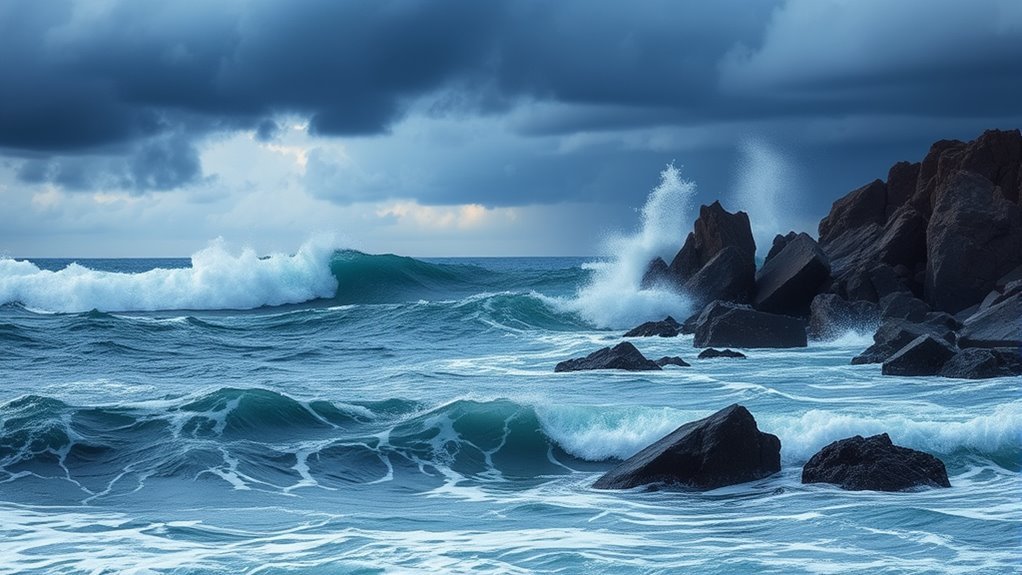
While various meteorological factors contribute to the formation of squalls, the primary drivers are often related to convective processes and changes in atmospheric pressure. These phenomena typically arise when warm, moist air ascends rapidly, leading to the development of cumulonimbus clouds.
As this air rises, it cools and condenses, releasing latent heat, which further fuels the convection.
Simultaneously, shifts in atmospheric pressure can create instability in the environment. A sudden drop in pressure can signal an approaching storm system, prompting gusty winds and turbulent conditions.
Additionally, frontal boundaries, such as cold fronts, can trigger squalls as they force warm air to rise abruptly, causing rapid changes in wind speed and direction.
Collectively, these meteorological elements interplay to produce squalls, defined by their intensity and brief duration, marking notable changes in weather conditions.
How Squalls Affect Wind Patterns
Squalls are defined by sudden increases in wind speed, often leading to notable changes in wind direction.
These shifts can have pronounced effects on navigation, especially for maritime and aviation operations.
Understanding the nature of squalls and their impact on wind patterns is essential for ensuring safety and efficiency in these fields.
Nature of Squalls
The dynamic nature of squalls substantially influences wind patterns, often leading to abrupt changes in velocity and direction. These intense weather phenomena typically arise from the rapid vertical movement of air, which can drastically alter local atmospheric conditions.
As squalls develop, they generate strong downdrafts that push down cooler air, displacing warmer air and creating a turbulent environment. This turbulence can result in noteworthy gusts, rapidly increasing wind speeds that may catch observers off guard.
Additionally, the interaction between the squall and surrounding atmospheric layers can contribute to a complex wind field, defined by fluctuating intensities. Consequently, understanding the nature of squalls is essential for predicting their impact on wind behavior, particularly in maritime and aviation contexts.
Wind Direction Changes
As squalls intensify, they exert a considerable influence on wind direction, often resulting in rapid shifts that can confuse both casual observers and experienced meteorologists.
These dramatic changes in wind patterns typically occur due to the sudden uplift of air, which can create a localized pressure drop. As cooler, denser air rushes in to fill this void, the resultant wind can shift direction sharply.
Squalls may also create turbulent conditions, where wind direction varies markedly over short distances. This unpredictability poses challenges for forecasting, as traditional models may not adequately account for these localized effects.
Consequently, understanding the impact of squalls on wind direction is vital for accurate weather predictions and atmospheric studies.
Impact on Navigation
While traversing through areas prone to squalls, mariners face considerable challenges due to the erratic wind patterns that emerge during these events.
These sudden shifts in wind can jeopardize navigation and safety, making it essential for sailors to understand their consequences.
The impact of squalls can be summarized in four key points:
- Sudden Wind Increases: Squalls can lead to rapid wind speed increases, causing vessels to heel unexpectedly.
- Direction Changes: The wind direction may shift abruptly, complicating course adjustments.
- Reduced Visibility: Accompanying rain and spray can obscure visibility, hindering navigation.
- Potential for Capsizing: The combination of strong gusts and sudden lulls can create instability, risking capsizing for smaller vessels.
Understanding these factors is crucial for effective navigation in squall-prone waters.
Recognizing the Signs of an Impending Squall
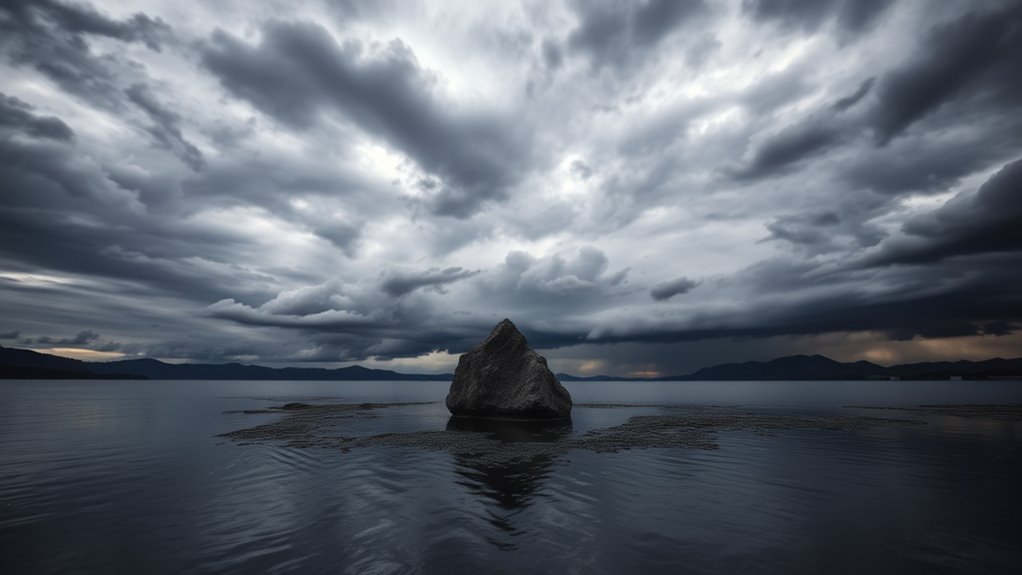
Darkening skies often signal the approach of a squall, a sudden and intense weather event that can catch even seasoned observers off guard.
Other indicators include a noticeable drop in temperature and a sudden increase in wind speed, often accompanied by shifting wind directions. Observers may also notice an increase in atmospheric pressure, which can precede the onset of turbulent conditions.
Additionally, the appearance of dark, low-lying clouds, particularly cumulonimbus formations, serves as a vital warning sign. These clouds can develop rapidly, leading to intense rainfall and gusty winds.
Changes in wildlife behavior, such as increased agitation among birds or animals seeking shelter, may also foreshadow an approaching squall.
Safety Precautions for Sailors and Outdoor Enthusiasts

Preparedness is essential for sailors and outdoor enthusiasts facing the unpredictable nature of squalls.
To improve safety and minimize risks, individuals should follow specific precautions that can greatly enhance their chances of staying safe during sudden weather changes.
- Stay Informed: Regularly check weather forecasts and updates, especially before heading out. Knowledge of potential squalls can aid in timely decisions.
- Equip Proper Gear: Use high-quality safety equipment such as life jackets, flares, and waterproof clothing, ensuring readiness for sudden weather shifts.
- Establish Safety Protocols: Create a communication plan with fellow adventurers, including designated meeting points and emergency contacts.
- Practice Maneuvers: Familiarize oneself with emergency procedures and boat handling techniques to respond effectively during a squall.
Tools and Technology for Monitoring Squalls
An array of tools and technology is available for monitoring squalls, greatly enhancing the safety of sailors and outdoor enthusiasts. Meteorological radar systems are among the most essential, providing real-time data on storm development and wind patterns. These systems can detect the intensity and movement of squalls, allowing users to make informed decisions about navigation and safety.
Furthermore, satellite imagery offers a broader perspective on weather conditions, enabling users to track squall formation over large areas. Advanced weather stations, equipped with anemometers and barometers, collect localized data that can be critical in predicting sudden wind shifts.
In addition, mobile applications and online platforms provide timely alerts about impending squalls, ensuring that users are prepared for rapid changes in weather. These technological advancements play a significant role in enhancing situational awareness, finally reducing the risks associated with squalls during outdoor activities.
Historical Examples of Squalls and Their Impact on Navigation
Throughout maritime history, squalls have posed considerable challenges to navigation, often resulting in catastrophic consequences for sailors. These sudden weather events have led to numerous historical incidents, emphasizing the importance of understanding their impact on maritime operations.
- The HMS Bounty (1789): The infamous mutiny was partially attributed to squalls that disrupted the ship's navigation near Tahiti.
- The Great Storm of 1703: Known for causing widespread destruction, this storm featured violent squalls that sank numerous vessels in the English Channel.
- The USS Cyclops (1918): This naval cargo ship vanished during a squall in the Bermuda Triangle, enhancing its mysterious lore.
- The 2005 Atlantic Hurricane Season: Squalls associated with hurricanes led to considerable disruptions and loss of life, demonstrating their ongoing threat.
These examples illustrate how squalls have historically influenced navigation, prompting sailors to develop strategies for survival in treacherous conditions.
Common Questions
How Do Squalls Differ From Regular Thunderstorms?
Squalls differ from regular thunderstorms primarily in intensity and duration. They are defined by sudden, intense bursts of wind and precipitation, often lasting for a shorter period, while thunderstorms may exhibit prolonged rain and varying wind patterns.
Can Squalls Occur Without Precipitation?
Squalls can indeed occur without precipitation. These sudden bursts of wind may manifest independently of rain, often resulting from atmospheric pressure changes or temperature differentials, demonstrating the complex nature of weather phenomena beyond typical precipitation patterns.
What Are the Typical Durations of Squalls?
Typical durations of squalls vary, usually lasting from a few minutes to an hour. Factors such as geographical location and atmospheric conditions considerably influence their intensity and longevity, impacting both weather patterns and local environments.
Are Squalls More Common in Certain Seasons?
Squalls tend to be more prevalent during specific seasons, particularly in spring and summer. Atmospheric conditions during these times, including temperature fluctuations and increased humidity, contribute to the formation and intensity of squall events.
How Do Squalls Impact Wildlife Behavior?
Squalls greatly influence wildlife behavior, prompting animals to seek shelter, alter foraging patterns, and modify migratory routes. These sudden weather changes can disrupt breeding activities, affecting survival rates and comprehensive ecosystem dynamics during storm events.