
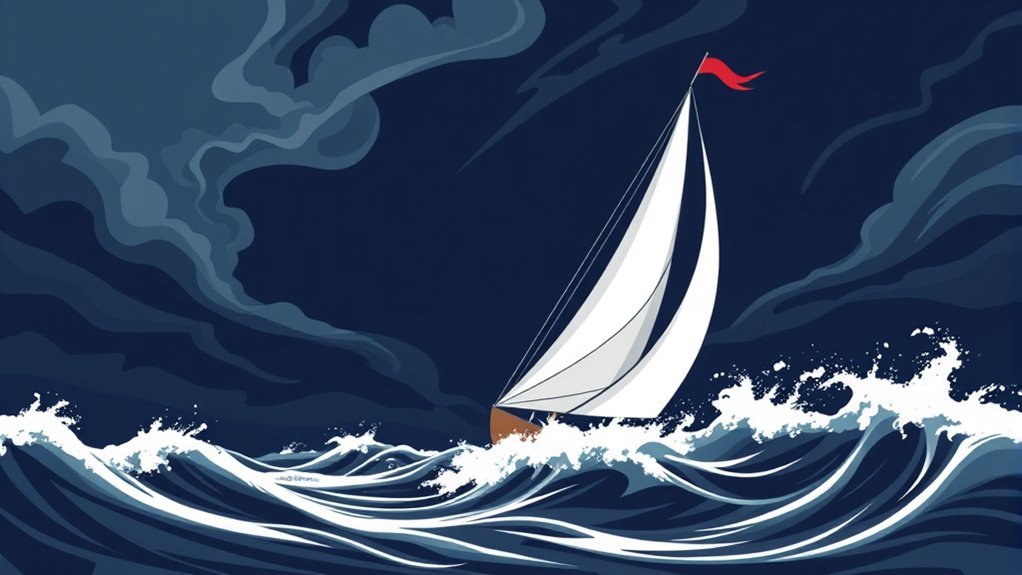
Wind shear and turbulence improve the dangers of squalls by causing abrupt changes in wind speed and direction. Strong wind shear can lead to organized storm structures, increasing the intensity and duration of squalls. This generates unpredictable turbulence, resulting in sudden altitude changes and disorienting pilots. In maritime contexts, squalls can create hazardous navigation conditions due to increased wave height and reduced visibility. Understanding these dynamics is essential for safety in both aviation and maritime activities. There is more to investigate on this topic.
Main Points
- Wind shear causes rapid changes in wind speed and direction, leading to sudden and intense squalls that can catch pilots and mariners off guard.
- Strong wind shear enhances the formation of towering cumulus clouds, resulting in increased precipitation and stronger surface winds during squalls.
- Turbulence from squalls can create unpredictable altitude changes, disorienting pilots and complicating navigation during critical flight phases.
- Variability in wind speed during squalls can push aircraft off course and destabilize vessels, increasing the risk of accidents and mechanical failures.
- The chaotic nature of turbulence associated with squalls can lead to passenger discomfort and potential injuries, emphasizing the need for safety measures.
Understanding Squalls: Definition and Characteristics
Although squalls are often associated with sudden changes in weather, they represent a specific meteorological phenomenon defined by brief but intense increases in wind speed and often accompanied by precipitation.
Typically lasting from a few minutes to an hour, squalls can occur in various weather conditions, including thunderstorms, cold fronts, or even clear skies. Their formation is often linked to localized atmospheric instability, which can lead to rapid shifts in wind direction and velocity.
Squalls can generate hazardous conditions, including heavy rain, hail, and reduced visibility, making them particularly dangerous for maritime and aviation activities.
The intensity of wind gusts during a squall can exceed 30 knots, posing risks to vessels and aircraft alike. Understanding the characteristics of squalls is essential for predicting their occurrence and mitigating potential dangers, as they can develop rapidly and with little warning.
This unpredictability emphasizes the need for vigilance in weather monitoring.
The Role of Wind Shear in Squalls

Wind shear plays a critical role in the development and intensity of squalls. It refers to the variation in wind speed and direction at different altitudes, which can notably influence storm behavior.
In squall conditions, strong wind shear can cause the rapid upward movement of air, leading to the formation of towering cumulus clouds that are characteristic of squalls. This vertical development is crucial, as it improves precipitation rates and generates stronger winds at the surface.
Moreover, wind shear can create a more organized storm structure, allowing squalls to maintain their strength over a longer duration. It can also lead to the tilting of storm cells, which further amplifies their impact.
As a result, areas affected by squalls may experience abrupt changes in weather, including sudden gusts and heavy rainfall, posing risks to aviation and maritime activities. Understanding wind shear is imperative for predicting squall behavior and mitigating associated hazards.
How Turbulence Amplifies Squall Effects
Turbulence greatly improves the effects of squalls, leading to greater challenges for flight stability.
The variability in wind speed can increase unpredictability, complicating navigation for pilots.
Additionally, reduced reaction time in turbulent conditions may elevate the risk of adverse outcomes during flight operations.
Impact on Flight Stability
As squalls develop, the associated turbulence can greatly compromise flight stability, creating challenges for pilots and aircraft alike.
The unpredictable nature of turbulence during squalls leads to several critical effects:
- Altitude Variability: Sudden changes in altitude can disorient pilots and affect the aircraft's trajectory, complicating navigation.
- Control Surface Response: Turbulence can cause delayed responses in control surfaces, making it difficult to maintain desired flight paths.
- Passenger Safety: Unanticipated jolts and shifts can pose risks to passenger safety, leading to potential injuries.
- Increased Workload: Pilots experience heightened workloads as they must continuously adjust to rapidly changing conditions, which can lead to fatigue.
Increased Wind Speed Variability
The unpredictable turbulence during squalls not only affects flight stability but also contributes to increased wind speed variability.
This phenomenon occurs as rapidly changing air currents interact, creating pockets of both high and low wind speeds. Pilots may encounter sudden bursts of wind that can push an aircraft off course or cause abrupt altitude changes.
These variations can be especially dangerous during critical phases of flight such as takeoff and landing. Additionally, the erratic nature of wind speed can lead to challenges in maintaining control and trajectory, increasing the risk of accidents.
Understanding the dynamics of wind speed variability is essential for better preparation and response strategies in squall conditions, enhancing flight safety in turbulent weather.
Reduced Pilot Reaction Time
While squalls can be unpredictable, their associated turbulence markedly reduces pilot reaction time, complicating the already challenging conditions.
As pilots encounter sudden and erratic changes in airflow, their ability to respond effectively diminishes. This reduction in reaction time can have severe consequences for flight safety.
Factors contributing to this phenomenon include:
- Sudden Wind Shifts: Abrupt changes in wind direction can catch pilots off guard, hindering timely adjustments.
- Limited Visibility: Heavy precipitation and low cloud cover can obscure critical visual cues, delaying decision-making.
- Increased Workload: Managing multiple flight systems under turbulence can overwhelm pilots, distracting them from immediate threats.
- Cognitive Overload: The mental strain of turbulent conditions can impair judgment and response efficiency, increasing the risk of mishaps.
The Interplay Between Wind Shear and Turbulence

Understanding the dynamics of wind shear and turbulence is essential for predicting the behavior of squalls. Wind shear refers to the rapid change in wind speed and direction over a short distance, while turbulence is marked by chaotic air movement. The interplay between these two phenomena can exacerbate the intensity of squalls, creating hazardous conditions.
As squalls develop, variations in wind shear can lead to localized areas of turbulence, resulting in sudden and unpredictable changes in airflow. This interaction can improve the vertical development of squall lines, causing stronger downdrafts and updrafts.
Consequently, such turbulence can create a feedback loop, further intensifying the wind shear effects. Understanding this relationship helps meteorologists assess the potential for severe weather associated with squalls, including gusty winds and heavy precipitation.
A thorough analysis of wind shear and turbulence is crucial for improving forecasts and informing safety measures in affected regions.
Impacts of Squalls on Aviation Safety

Squalls present considerable challenges to aviation safety, primarily through the dangers of wind shear and turbulence.
Wind shear can lead to sudden changes in an aircraft's altitude and airspeed, posing risks during critical phases of flight.
Additionally, turbulence associated with squalls can compromise passenger comfort and aircraft control, necessitating heightened awareness and precautionary measures from pilots.
Wind Shear Hazards
Wind shear presents considerable hazards during squalls, posing serious risks to aviation safety. This phenomenon can lead to abrupt changes in wind direction and speed, which can greatly affect aircraft performance. Pilots must be vigilant as they traverse through or near squall conditions.
Key wind shear hazards include:
- Loss of Lift: Sudden downdrafts can reduce lift, jeopardizing takeoff and landing.
- Increased Drag: Rapid changes in wind can lead to increased aerodynamic drag, complicating flight maneuvers.
- Control Difficulties: Pilots may experience challenges in maintaining control due to shifting wind patterns.
- Low-Level Wind Shear: Encountering wind shear close to the ground can be particularly dangerous during critical phases of flight.
Understanding these hazards is crucial for enhancing aviation safety during squalls.
Turbulence Effects on Flight
Turbulence during squalls can severely compromise flight safety, presenting considerable challenges for pilots maneuvering through such conditions. The unpredictable nature of turbulence can lead to sudden altitude changes and loss of control, making it difficult for pilots to maintain stability.
Additionally, turbulence can cause passenger discomfort and increase the risk of injuries, particularly if seatbelts are not fastened. Aircraft systems may also experience stress, affecting performance and reliability.
Moreover, turbulence can mask other dangers, such as wind shear, complicating pilots' decision-making processes. As squalls often occur rapidly, timely detection and avoidance become vital for ensuring safe flight operations.
Consequently, understanding turbulence effects is essential for enhancing aviation safety during squall conditions.
Risks of Squalls for Maritime Activities
Although maritime activities often rely on favorable weather conditions, the risks associated with squalls can pose substantial challenges for vessels at sea. These sudden and intense weather events can lead to a range of hazardous situations that threaten both safety and operational efficiency.
- Rapid Wind Changes: Squalls can cause abrupt shifts in wind direction and speed, making navigation difficult and unpredictable.
- Increased Wave Height: The intensity of squalls can generate high waves, which can destabilize vessels, particularly smaller ones.
- Reduced Visibility: Heavy rain and spray associated with squalls can greatly reduce visibility, complicating navigation and communication.
- Equipment Stress: The sudden forces exerted on a vessel during a squall can lead to mechanical failures, compromising the integrity of critical systems.
Understanding these risks is essential for maritime operators to improve safety and decision-making in potentially dangerous conditions.
Strategies for Mitigating Squall-Related Dangers
To effectively mitigate the dangers posed by squalls, maritime operators must embrace a proactive approach that emphasizes preparation and adaptability.
Implementing advanced weather monitoring systems allows operators to receive real-time data on wind conditions, enabling timely decision-making. Training crew members in squall recognition and response techniques is essential for enhancing safety during unexpected weather changes.
Furthermore, establishing contingency plans for diverse scenarios helps crews adjust swiftly to evolving conditions. For example, vessels can be equipped with storm sails or reinforced structures to withstand intense winds.
Maintaining proper communication with nearby vessels and shore-based authorities also promotes coordinated responses during squalls.
Finally, operators should prioritize regular safety drills to guarantee crew readiness in emergency situations. By integrating these strategies, maritime operators can greatly reduce the risks associated with squalls, thereby enhancing comprehensive navigational safety and minimizing potential disruptions to maritime activities.
Common Questions
How Can Pilots Detect Squalls Before They Arrive?
Pilots can detect squalls before arrival by utilizing advanced radar systems, monitoring weather forecasts, and observing visual indicators such as darkening skies or rapidly changing wind patterns, allowing for timely adjustments to flight paths for safety.
What Are the Signs of an Impending Squall?
Signs of an impending squall include rapidly darkening skies, sudden wind shifts, increased humidity, and the appearance of ominous clouds. Additionally, temperature drops and distant rumblings of thunder may indicate the approach of severe weather.
How Do Squalls Affect Wildlife in Coastal Areas?
Squalls considerably impact coastal wildlife, disrupting feeding patterns and habitats. Sudden changes in wind and water conditions can displace fish, affect nesting birds, and alter the behavior of marine mammals, creating challenges for survival and adjustment.
Are Squalls More Common in Certain Seasons?
Squalls are indeed more prevalent during specific seasons, particularly during spring and summer. Increased atmospheric instability and warmer temperatures contribute to the frequency of these intense weather phenomena, impacting both marine and terrestrial ecosystems considerably.
Can Squalls Occur Without Thunderstorms?
Squalls can indeed occur without thunderstorms. These sudden, intense wind shifts may arise from various atmospheric conditions, including frontal passages or sea breezes, demonstrating their potential to manifest independently of electrical storm activity.