
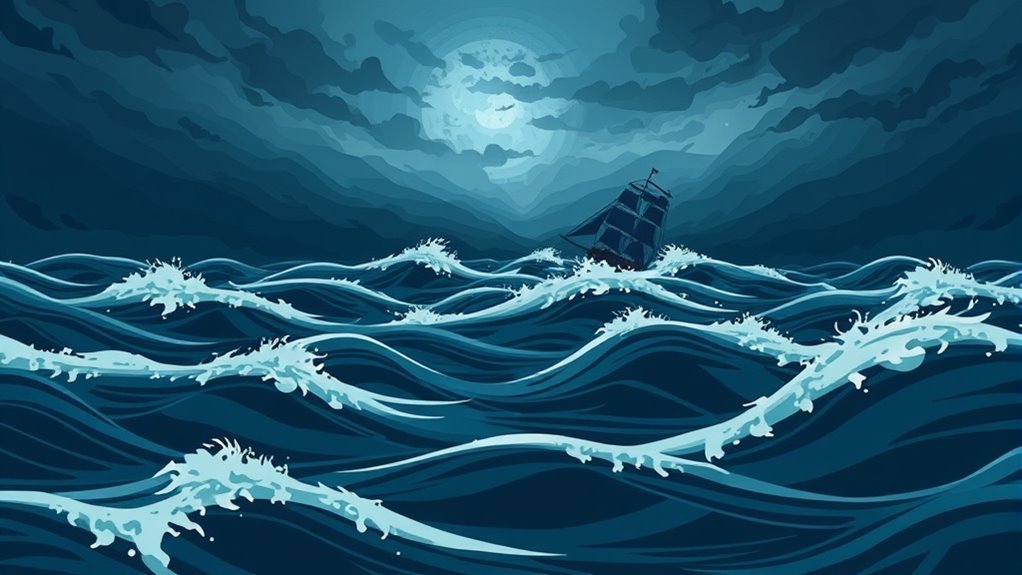
Squalls have consistently symbolized emotional turmoil and chaotic change in movies and literature. In classic literature, they often foreshadow inner conflict while in contemporary works, they catalyze character development, pushing individuals beyond their comfort zones. Modern romantic films utilize weather to improve emotional depth, with squalls representing cleansing and transformation. Additionally, squalls reflect societal upheavals, mirroring characters' struggles. This complex portrayal reveals the deep connection between nature and human emotion, inviting exploration of the many layers of this theme.
Main Points
- Squalls symbolize chaotic forces in literature, reflecting human emotions and the unpredictability of fate throughout various narratives.
- In classic novels, squalls foreshadow key events and mirror protagonists' inner turmoil, enhancing narrative tension and emotional depth.
- Contemporary fiction uses squalls to represent emotional upheaval, driving character development and pushing individuals out of their comfort zones.
- In modern romantic films, squalls serve as emotional catalysts, emphasizing pivotal moments and illustrating the duality of love and conflict.
- Squalls encapsulate societal change in cinema, reflecting characters' internal struggles and enhancing storytelling through vivid depictions of chaos and transformation.
The Symbolism of Squalls in Classic Literature
The tumult of squalls serves as a powerful symbol in classic literature, representing the chaotic forces of nature and human emotion. Writers often utilize squalls to convey internal turmoil, mirroring characters' struggles or the unpredictability of their circumstances. For instance, the onset of a squall can signify a brewing conflict or emotional upheaval, encapsulating the tumultuous nature of human relationships.
In the works of authors like Shakespeare and Melville, squalls disrupt the calm, reflecting the unpredictability of fate and the fragility of human existence. They act as catalysts for change, propelling characters into transformative experiences.
The stark contrast between calm and chaos emphasizes the duality of life, illustrating how external storms can resemble internal conflicts. In the end, squalls serve not merely as atmospheric phenomena but as significant literary instruments, revealing deeper truths about the human condition and its intersection with the natural world.
Squalls as a Narrative Device in 19th Century Novels
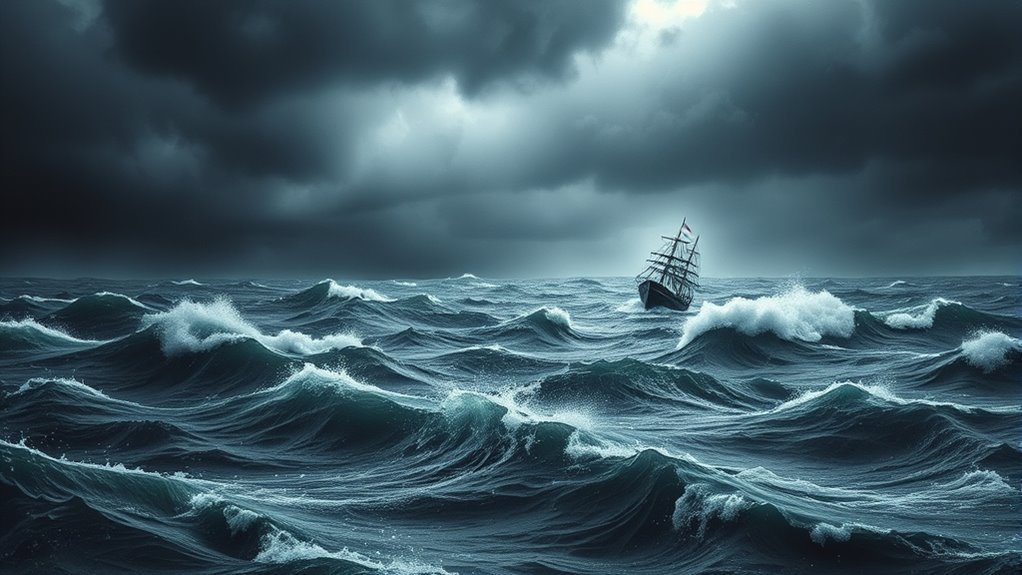
In 19th century novels, squalls often serve as a powerful narrative instrument, symbolizing inner turmoil and conflict among characters.
Their sudden onset frequently foreshadows key events, intensifying tension and anticipation within the story.
This interplay between nature and human emotion enriches the thematic depth of the narratives, illustrating the tumultuous relationship between individuals and their circumstances.
Symbolism of Turmoil
Turmoil often serves as a powerful narrative instrument in 19th century novels, where squalls embody the inner conflicts of characters and societal upheavals.
Authors utilized the chaotic nature of squalls to reflect the tumultuous emotions and moral dilemmas faced by their protagonists. This natural phenomenon often mirrored the characters' struggles, enhancing the emotional resonance of the narrative.
- Characters battling fierce winds, symbolizing their internal struggles.
- Stormy seas representing the unpredictability of human relationships.
- Sudden squalls illustrating the abrupt changes in societal norms and expectations.
Through these vivid depictions, squalls become more than mere weather events; they transform into significant symbols of turmoil, underscoring the complexities of human existence in a rapidly changing world.
Foreshadowing Key Events
Squalls frequently serve as a narrative tool to foreshadow key events in 19th century novels, creating an atmosphere of impending change or conflict.
Authors utilize the sudden onset of storms to reflect characters' internal struggles or societal upheavals. For instance, in works by authors like Emily Brontë and Herman Melville, turbulent weather often coincides with crucial moments, heightening tension and anticipation.
The unpredictable nature of squalls mirrors the characters' emotional journeys, suggesting that chaos is on the horizon. This technique not only enriches the narrative but also engages readers, prompting them to reflect on the relationship between nature and human experience.
Consequently, squalls become a powerful symbol of the unpredictable forces that shape destinies within these literary settings.
The Role of Weather in Modern Romantic Films
While romantic films often focus on the complexities of relationships, the incorporation of weather elements serves as a powerful narrative tool that improves emotional depth. Weather can mirror characters' internal struggles, elevate romantic tension, and underscore crucial moments in the storyline.
Rain, for instance, often symbolizes both cleansing and emotional turmoil, creating a backdrop for notable revelations or reconciliations.
- A sudden downpour during a climactic confession heightens the intensity of the moment, enveloping the characters in a shared experience of vulnerability.
- Sunshine breaking through clouds can signify hope and new beginnings, often accompanying the resolution of conflicts.
- Snow can evoke feelings of isolation or warmth, depending on the characters' interactions, illustrating the duality of romantic entanglements.
In this way, weather not only sets the scene but also acts as an emotional catalyst, influencing characters' journeys and the audience's connection to the narrative.
Squalls and Character Development in Contemporary Fiction
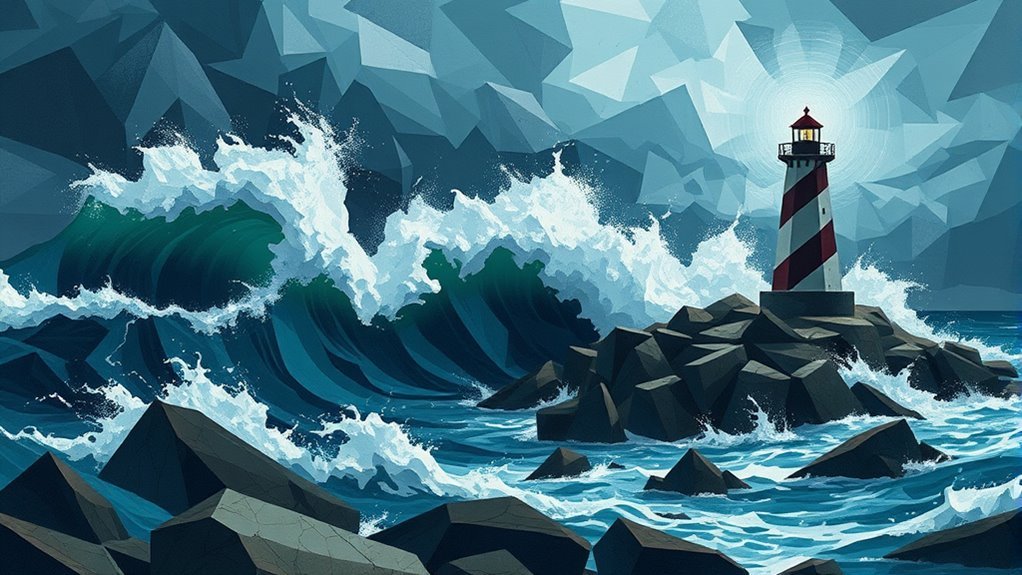
Contemporary fiction often employs squalls as a powerful metaphor for emotional turmoil within characters.
These sudden storms symbolize change, reflecting the internal conflicts characters face and their journeys toward resolution.
Emotional Turmoil Representation
Emotional turmoil often manifests in literature as a powerful catalyst for character development, reflecting the inner squalls that individuals face. Contemporary fiction frequently investigates the complexities of human emotion, allowing characters to steer through their turbulent feelings. This exploration not only improves character arcs but also engages readers on a meaningful level.
- Characters grapple with personal loss, causing significant introspection and change.
- Intense conflict, whether internal or external, forces characters to confront their deepest fears and desires.
- Moments of vulnerability reveal hidden strengths, leading to unexpected resilience and growth.
Through these elements, emotional turmoil serves as a narrative engine, propelling characters towards transformation and deeper understanding of themselves and their relationships.
Symbolism of Change
Change often emerges as a central theme in contemporary fiction, with squalls serving as potent symbols of transformation. These sudden storms often reflect crucial moments in characters' lives, capturing their internal struggles and the tumultuous journey toward self-discovery.
Authors utilize squalls to signify disruption, pushing characters out of their comfort zones and compelling them to confront unresolved issues. The chaotic nature of squalls mirrors the unpredictable path of personal growth, illustrating how adversity can catalyze change.
As characters maneuver through these storms, they often emerge altered, embodying newfound viewpoints or strengths. In this way, squalls symbolize not only the inevitable shifts in life but also the resilience required to embrace and adjust to these changes, reinforcing their significance in character development.
Conflict and Resolution
While characters often seek stability, the intrusion of squalls introduces substantial conflict that propels their development in contemporary fiction.
These tumultuous events serve as catalysts, forcing characters to confront their inner turmoil and external challenges. As they traverse the chaos, their responses reveal deeper truths about their identities and relationships, often leading to meaningful resolutions.
- A protagonist grappling with betrayal discovers resilience in the storm's aftermath.
- A family fractured by secrets finds unity in the face of unexpected turmoil.
- An individual facing existential dread learns to embrace uncertainty and change.
Through these squalls, characters evolve, illustrating the transformative influence of conflict in shaping their journeys and reinforcing the narrative's emotional core.
The Intersection of Nature and Emotion in Poetry

Nature often serves as a powerful mirror for human emotion in poetry, reflecting the complexities and nuances of the inner psyche. Poets frequently employ natural imagery to evoke feelings of joy, sorrow, or turmoil, creating a symbiotic relationship between the external world and internal experiences.
For instance, a quiet forest can symbolize peace and introspection, while a raging storm may embody inner conflict and distress. Through vivid descriptions of terrains, seasons, and weather phenomena, poets capture fleeting emotions, allowing readers to connect deeply with their own feelings.
The juxtaposition of serene and tumultuous natural elements often highlights the duality of human existence. Consequently, nature transcends mere backdrop, becoming a crucial part of the emotional narrative. This interplay enriches poetry, inviting contemplation on how the environment shapes emotional states, ultimately enhancing the reader's understanding of both nature and the human condition.
Squalls in Cinema: A Reflection of Societal Change
As filmmakers have steered through the shifting tides of societal norms and values, squalls often emerge as a potent symbol in cinema, representing tumultuous periods of transformation.
These unpredictable storms encapsulate the chaos of change, mirroring characters' internal struggles and societal upheavals. The depictions of squalls in films reflect a society grappling with its identity, showcasing how external turmoil often coincides with internal conflict.
- Visual Metaphor: Stormy seas signify a character's turbulent journey, often leading to self-discovery.
- Cultural Commentary: Squalls serve as a backdrop for narratives exploring themes of rebellion and resilience against oppressive structures.
- Character Development: The intensity of a squall can catalyze critical moments, forcing characters to confront their fears and desires.
Through this lens, squalls become not just weather phenomena, but powerful catalysts for storytelling and social reflection within cinema.
Analyzing the Impact of Squalls on Storytelling Techniques
Squalls greatly influence storytelling techniques by enhancing narrative tension and emotional depth. Their unpredictable nature serves as a powerful metaphor for internal conflict, often mirroring characters' tumultuous emotions or critical turning points in the plot.
In literature, authors employ vivid descriptions of squalls to create a visceral experience, drawing readers into the chaos and uncertainty. This technique can heighten suspense, making the audience more invested in the characters' fates.
In film, cinematography and sound design work in tandem to depict squalls, intensifying their dramatic impact. The visual portrayal of darkened skies and violent winds can evoke fear and anticipation, while soundscapes of howling winds and crashing waves envelop viewers in a sensory experience.
Consequently, squalls not only serve as external challenges for characters but also act as catalysts for character development and thematic exploration, enriching the narrative and leaving a lasting impression on audiences.
Common Questions
How Do Squalls Differ From Other Types of Storms in Literature?
Squalls, defined by sudden intensity and brief duration, often symbolize tumultuous emotions or abrupt changes in literature. Unlike prolonged storms, they evoke immediate conflict and urgency, representing fleeting moments of chaos that challenge characters' resilience.
Are There Specific Authors Known for Using Squalls in Their Works?
Certain authors, such as Herman Melville and Ernest Hemingway, have particularly employed squalls in their narratives, using them as metaphors for internal conflict or external chaos, effectively illustrating the tumultuous nature of human experience.
What Real-Life Squalls Inspired Famous Literary Works or Films?
Real-life squalls, such as those experienced during the 1843 storm in the North Atlantic, inspired authors like Herman Melville and filmmakers to depict nature's fury, highlighting humanity's vulnerability against powerful, uncontrollable forces in their narratives.
How Do Cultural Perspectives on Squalls Vary Across Different Regions?
Cultural viewpoints on squalls vary greatly; coastal communities often view them as harbingers of change or danger, while inland populations may perceive them as fleeting disturbances, reflecting diverse relationships with nature and environmental conditions.
Are There Scientific Explanations for Squalls Depicted in Stories?
Scientific explanations for squalls include sudden changes in atmospheric pressure, temperature, and wind patterns. These phenomena can lead to intense, short-lived storms, often defined by strong winds and heavy precipitation, impacting both nature and human activities.