

Studying squalls improves storm forecasting accuracy by providing critical observations into their sudden formation and characteristics. Understanding the abrupt changes in wind speed, temperature, and precipitation helps meteorologists predict their impact on local weather patterns. Advances in detection technology, such as Doppler radar and satellite imaging, boost real-time monitoring. Additionally, analyzing historical squall events contributes to refining predictive models. This exploration opens doors to further advancements in storm forecasting effectiveness and safety measures.
Main Points
- Analyzing historical squall events enhances understanding of their behavior, leading to improved forecasting models.
- Advances in Doppler Radar Systems provide real-time data, aiding in the detection of squalls.
- Numerical Weather Prediction Models incorporate squall dynamics, refining storm prediction capabilities.
- Studying microphysical processes within squalls can lead to better representation in models.
- Collaboration with computer scientists to develop machine learning algorithms enhances predictive accuracy for squall-related weather events.
Understanding Squalls: Definition and Characteristics
Squalls are sudden, intense bursts of wind accompanied by precipitation, often occurring in the context of thunderstorms. These meteorological phenomena can develop rapidly and are defined by a notable increase in wind speed, typically lasting less than an hour.
The wind shifts direction and intensity, which can lead to challenging conditions for both land and maritime activities. Squalls can produce heavy rain, hail, or even snow, depending on the ambient temperature and atmospheric conditions.
The formation of a squall is often linked to the presence of a cold front or convective activity. As warm, moist air rises, it can collide with cooler air, creating instability.
This interaction can trigger the rapid development of a squall line, a linear formation of thunderstorms that may result in severe weather. Understanding these features is essential for meteorologists aiming to improve storm forecasting and provide timely warnings to those in affected areas.
The Impact of Squalls on Weather Patterns
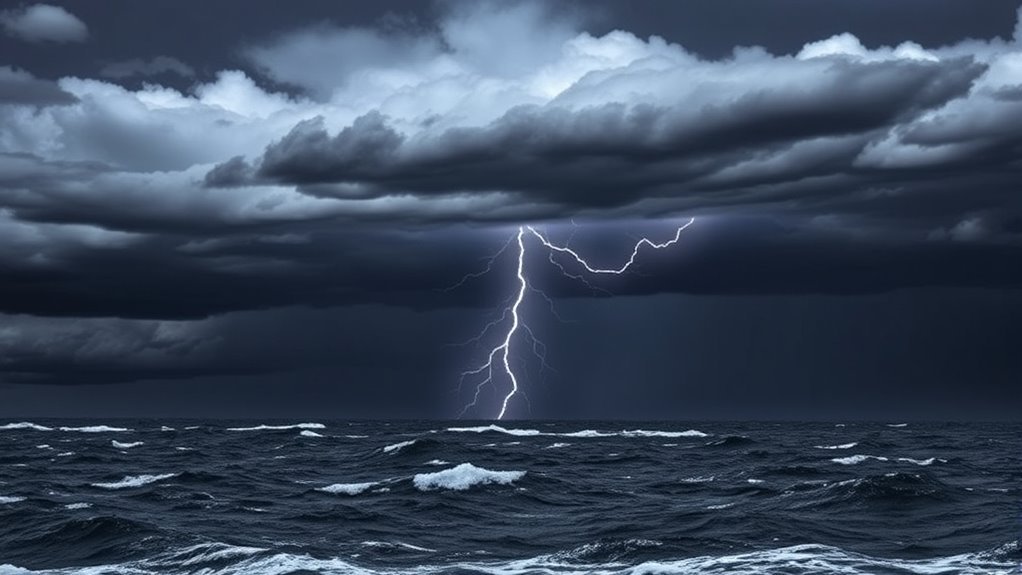
The rapid development of squalls considerably influences local and regional weather patterns. These transient phenomena can lead to abrupt changes in atmospheric conditions, affecting both temperature and precipitation levels.
Squalls typically occur in the presence of strong winds and can produce notable weather events that disrupt daily life.
- Sudden temperature drops: A squall can cause a rapid decrease in temperature, impacting comfort and safety.
- Intense precipitation: Heavy rain or hail may accompany squalls, leading to flash flooding in vulnerable areas.
- Strong winds: Wind gusts can reach dangerous levels, potentially damaging structures and vegetation.
- Reduced visibility: The intense rainfall and wind can create hazardous driving conditions, increasing the risk of accidents.
Understanding these impacts is essential for enhancing forecasting accuracy and preparing communities for the challenges posed by squalls.
Historical Case Studies of Squall Events
While examining historical weather events, several notable squall occurrences reveal their noteworthy impact on both meteorology and local communities. One such event occurred in July 1993 when a squall line swept across the Midwest, causing widespread damage and power outages. This event highlighted the need for improved forecasting and response strategies.
Similarly, the 2010 squall that affected the Northeastern United States resulted in severe thunderstorms and flash flooding, prompting emergency responses and evacuation orders in several areas.
Another case, the 2016 squall off the coast of Florida, produced unexpected winds that capsized boats, leading to tragic consequences.
These historical instances underscore the unpredictability of squalls and their potential to disrupt daily life. By studying these events, meteorologists gain understanding into squall behavior, enhancing their ability to predict future occurrences and mitigate risks associated with these powerful weather phenomena.
Advances in Technology for Squall Detection

Recent advancements in technology have greatly improved the ability to detect squalls and boost storm forecasting accuracy. These innovations enable meteorologists and researchers to better understand the dynamics of squall formation and movement, leading to more timely alerts and effective responses.
Key developments include:
- Doppler Radar Systems: Upgraded radar technology allows for real-time monitoring of precipitation and wind patterns, providing essential data on squall intensity.
- Satellite Imaging: High-resolution satellite imagery offers a wider view of storm systems, enabling early identification of developing squalls.
- Numerical Weather Prediction Models: Advanced algorithms analyze extensive amounts of meteorological data, improving predictive capabilities for squalls.
- Automated Weather Stations: These stations gather localized data, contributing to a more thorough understanding of squall behavior.
Collectively, these technologies markedly improve the accuracy and reliability of storm forecasts, helping mitigate the impacts of severe weather events.
The Role of Meteorologists in Squall Analysis
Although technology plays a crucial role in squall detection, the understanding of meteorologists remains essential for effective analysis and interpretation of data. Meteorologists utilize their proficiency to assess the complex atmospheric conditions that give rise to squalls. They analyze data from various sources, including satellite imagery, radar, and weather models, to identify the precursors and characteristics of these sudden storms.
Their training allows them to identify patterns and anomalies that technology alone may not fully clarify. Additionally, meteorologists interpret the consequences of squall activity, considering factors such as terrain and local weather systems that influence storm behavior.
Collaboration among meteorologists improves the accuracy of squall forecasts, as they share knowledge and findings with one another. This collective understanding is crucial not only for short-term forecasting but also for comprehending long-term trends in storm patterns, ultimately contributing to more reliable weather predictions.
Improving Public Safety Through Enhanced Forecasting
As squall forecasting improves, public safety measures can be greatly improved, reducing the risks associated with these unpredictable weather events.
Accurate forecasts enable communities to prepare more effectively for sudden changes in weather, ultimately preserving lives and property. Enhanced forecasting leads to better decision-making by authorities and individuals alike.
Key benefits of improved squall forecasting include:
- Timely Warnings: Alerts can be issued quickly, giving residents ample time to take protective actions.
- Resource Allocation: Emergency services can be better prepared and deployed where they are most needed.
- Public Awareness: Increased education about squall hazards can enable citizens to respond appropriately.
- Infrastructure Resilience: Improved forecasting aids in planning and reinforcing critical infrastructure against severe weather impacts.
Through these advancements, the safety and preparedness of communities are considerably strengthened, making a tangible difference during squall events.
Future Research Directions in Squall Studies
While notable advancements have been made in squall forecasting, further research is essential to improve understanding and prediction capabilities. Future studies should focus on the microphysical processes occurring within squalls, as a deeper insight into these mechanisms may boost predictive models.
Additionally, the interaction between squalls and larger weather systems warrants exploration, particularly how they influence severe weather events.
Integrating advanced observational technologies, such as Doppler radar and satellite imagery, can provide useful data for refining squall detection and tracking. Researchers should also investigate the role of climate change in altering squall patterns and intensity, as this could greatly impact forecasting accuracy.
Furthermore, collaboration between meteorologists and computer scientists to develop machine learning algorithms may lead to more precise forecasting tools.
In the end, addressing these research directions will contribute to a more robust understanding of squalls, thereby improving storm forecasting accuracy and enhancing public safety.
Common Questions
How Do Squalls Differ From Other Storm Types?
Squalls are sudden, intense bursts of wind and precipitation, differing from other storm types by their short duration and localized impact. Unlike hurricanes or thunderstorms, squalls develop quickly and can be unpredictable, posing unique forecasting challenges.
What Are the Best Resources for Squall Education?
The best resources for squall education include meteorological textbooks, online courses from accredited institutions, and reputable websites like the National Weather Service. Research papers and documentaries also offer significant knowledge into squall dynamics and forecasting techniques.
Can Squalls Occur in All Seasons?
Squalls can occur in all seasons, although their frequency and intensity may vary. Meteorological conditions, such as temperature shifts and atmospheric instability, can generate squall lines regardless of the time of year or prevailing weather patterns.
Are Squalls More Common in Specific Regions?
Squalls are indeed more prevalent in certain regions, particularly coastal areas and the Great Lakes, where atmospheric conditions favor their development. Their frequency varies, influenced by local climate patterns and geographical features throughout the year.
How Do Squalls Affect Marine Activities?
Squalls considerably impact marine activities by creating sudden, intense winds and waves. These rapid weather changes can pose hazards for navigation, fishing, and shipping, necessitating caution and preparedness among seafarers to guarantee safety at sea.