

Sudden squalls can be dangerous. It's crucial to identify the signs, like sudden wind shifts and darkening skies. Securing gear is important to prevent hazards. Seek shelter in sturdy structures or natural windbreaks. Staying low reduces the risk of being toppled. Protect against wind and rain with waterproof clothing. Always monitor weather updates for changing conditions. Knowing when to evacuate or abandon ship can save lives. For further knowledge and tips, additional information is available.
Main Points
- Recognize signs of an approaching squall, such as sudden wind shifts and darkening skies, to prepare for potential danger.
- Secure all gear and equipment to prevent hazards, ensuring that loose items are stored safely and fastenings are tight.
- Seek immediate shelter in sturdy structures or natural windbreaks to protect against wind and rain, avoiding low-lying flood-prone areas.
- Stay vigilant and assess your vessel's seaworthiness; be prepared to evacuate if conditions worsen or navigation becomes impossible.
- After the squall, evaluate injuries and damages, report the situation to authorities, and review the experience to enhance future safety measures.
Understand the Signs of an Approaching Squall
As storm clouds gather on the horizon, one must be vigilant in recognizing the signs of an approaching squall. The first indication often comes from the sudden change in wind direction and intensity, which can whip up waves and create an uneasy atmosphere.
Dark, ominous clouds may rapidly fill the sky, signaling that a storm is imminent. Accompanying this visual cue, temperatures can drop unexpectedly, creating a stark contrast to previous conditions. Additionally, the air may feel heavy or charged, hinting at incoming precipitation.
It is essential to observe the sea surface; choppy waters and whitecaps can further point to a squall's approach. Experienced individuals may also note the behavior of wildlife, as birds often seek shelter before severe weather strikes.
Recognizing these signs early allows for timely action, increasing the chance of safety during sudden and potentially dangerous weather events.
Secure Your Gear and Equipment
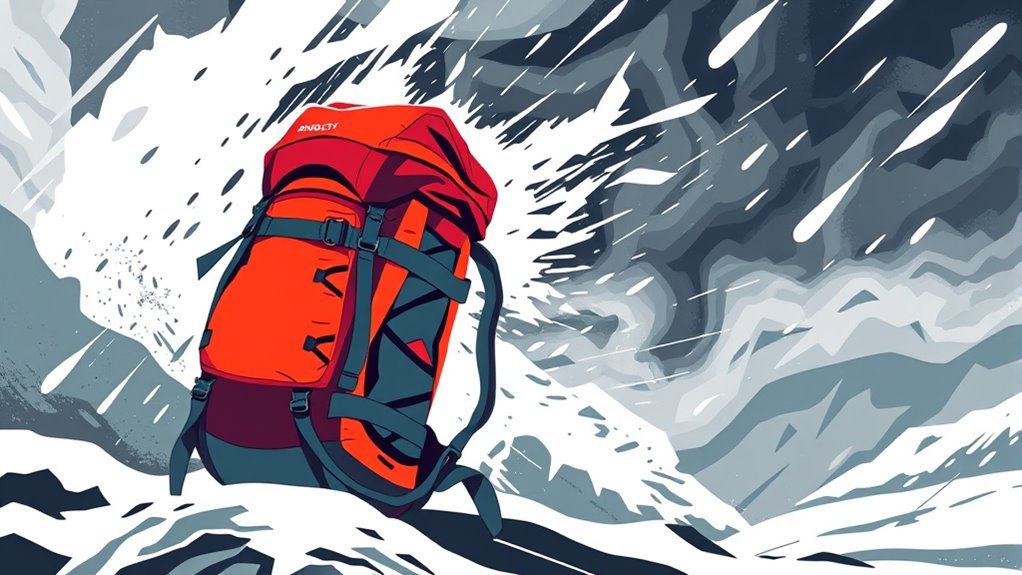
When facing a sudden squall, ensuring that gear and equipment are secure is essential for safety.
This involves checking all fastenings and straps to prevent items from becoming hazards in strong winds.
Additionally, storing loose items securely can minimize the risk of damage or injury during the storm.
Check Fastenings and Straps
Ensuring that all fastenings and straps are secure is essential for maintaining safety during a sudden squall. Loose equipment can become hazardous, posing risks to both individuals and the environment.
It is vital to check all straps on gear, including life jackets, tents, and other equipment, ensuring they are tight and properly adjusted. Additionally, attention should be given to any buckles or clips, as these components can wear down or fail under stress.
Regularly inspecting and maintaining these fastenings can prevent unexpected failures when they are most needed. By prioritizing the security of gear, individuals can minimize the dangers posed by sudden changes in weather and maintain greater control during turbulent conditions.
Store Loose Items Securely
To steer through the challenges posed by a sudden squall, securely storing loose items is essential for safety and efficiency. Unsecured gear can become hazardous projectiles in high winds, posing risks to both individuals and equipment.
It is vital to gather all loose items, including personal belongings, tools, and supplies, and stow them in designated storage compartments or secure them with straps. Heavy items should be placed low to maintain balance and stability.
Additionally, utilizing covers or tarps can protect equipment from moisture and debris. Regularly evaluating and organizing gear not only prepares for sudden weather changes but also improves overall readiness.
Adopting these practices will greatly reduce the likelihood of accidents and guarantee a safer experience during unexpected squalls.
Seek Shelter Immediately
When faced with a sudden squall, finding shelter becomes a top priority.
It is essential to identify safe locations that provide protection, such as sturdy buildings or designated storm shelters.
Individuals should avoid open areas and steer clear of trees, which pose additional risks during severe weather.
Identify Safe Locations
A sudden squall can transform a calm day into a dangerous situation within moments, making it vital to identify safe locations for shelter.
When caught outdoors, individuals should prioritize finding sturdy structures that can provide protection from strong winds and rain. Buildings with solid roofs, such as homes or commercial establishments, are ideal.
If no buildings are available, seeking natural shelter, like dense forests, can help mitigate wind effects. Vehicles can also serve as temporary refuge, provided they are parked away from trees or potential hazards.
It is important to avoid low-lying areas prone to flooding and verify that the chosen shelter does not have windows or unstable features that could pose additional risks during the squall.
Avoid Open Areas
Open areas can expose individuals to the full force of a sudden squall, making it essential to seek shelter immediately. When caught in such conditions, the risk of injury from strong winds and flying debris increases markedly.
Open fields, parks, or beaches offer no protection, leaving individuals vulnerable to the elements. Instead, finding a sturdy building, vehicle, or other enclosed space is critical. If immediate shelter is unavailable, crouching low to the ground may offer some protection, although it is not as effective as proper cover.
Prioritizing safety by moving away from open spaces can considerably reduce the dangers posed by erratic weather conditions. Awareness of surroundings and quick decision-making are vital for staying safe during a squall.
Stay Away From Trees
As strong winds whip through the area during a sudden squall, seeking shelter away from trees becomes essential.
Falling branches and uprooted trees pose considerable dangers in such conditions. Winds can easily dislodge limbs, sending them crashing down, which may lead to severe injuries or fatalities. Additionally, the instability of trees during heavy gusts increases the risk of them toppling over.
Individuals caught outside should quickly identify a safe location, such as a sturdy building or a vehicle, rather than huddling near trees for cover. If no shelter is nearby, crouching low in a depression or away from potential falling debris is preferable.
Staying observant of the surroundings can also help in identifying safer areas during the storm.
Stay Low and Find a Safe Position

When faced with a sudden squall, individuals should prioritize staying low and seeking a safe position to minimize risks. By lowering their center of gravity, they reduce the chance of being toppled by strong winds.
Finding shelter in a depression, such as a ditch, can provide some protection from flying debris and turbulent air. It is essential to avoid raised areas, as gusts can be stronger at height, increasing the danger of being swept away.
If possible, individuals should position themselves behind solid structures, such as buildings or large rocks, which can shield them from the elements.
Remaining calm and evaluating the surroundings can help identify the safest location quickly. Staying low not only improves stability but also increases the chances of survival until the squall passes.
Understanding the importance of finding a secure spot can make a considerable difference in the outcome when nature releases its fury.
Protect Yourself From Wind and Rain
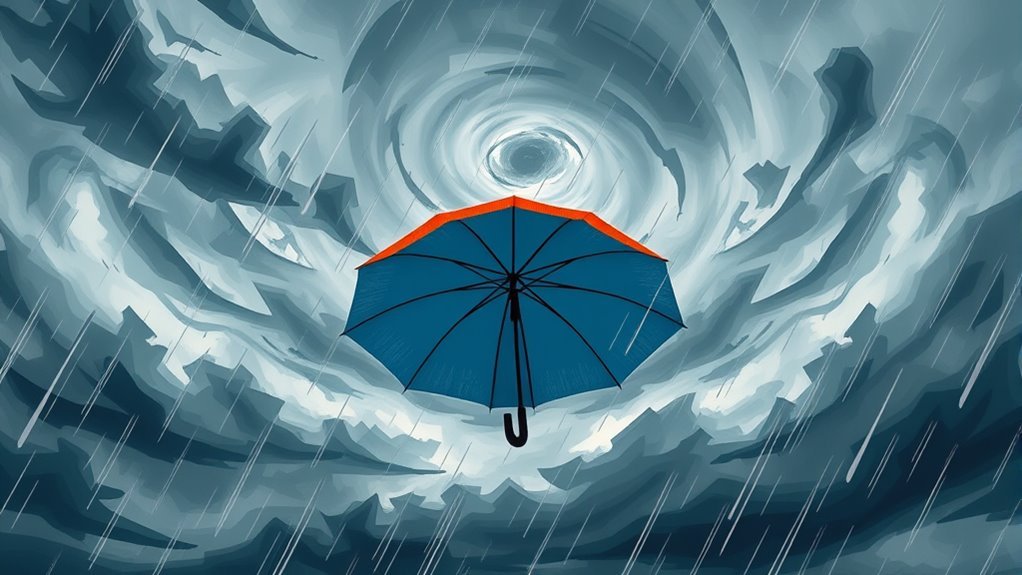
Although sudden squalls can be unpredictable, protecting oneself from the accompanying wind and rain is vital for safety. Individuals should seek immediate shelter, preferably indoors or in a sturdy vehicle, to avoid exposure to harsh conditions.
If such shelter is unavailable, finding a low-lying area or a natural windbreak, like a dense cluster of trees, can offer some protection.
Wearing waterproof clothing and securing loose items is essential, as strong winds can turn everyday objects into dangerous projectiles. Additionally, using a poncho or rain jacket helps shield against rain while allowing for movement.
When possible, individuals should position themselves away from windows or other vulnerable structures to minimize the risk of injury from broken glass or debris.
Staying calm and being prepared can greatly improve one's ability to endure the sudden onset of a squall, ensuring safety amidst the chaos.
Monitor Weather Updates and Conditions
How can individuals stay ahead of sudden squalls? The key lies in actively monitoring weather updates and conditions. Accessing reliable weather sources, such as local meteorological services or dedicated weather apps, can provide real-time information about changing atmospheric conditions. Individuals should pay close attention to weather alerts, which often include warnings about potential squalls.
Additionally, using radar and satellite imagery can give perspectives into storm formation and movement, allowing individuals to make informed decisions. Regularly checking updates during excursions, especially in open water or mountainous areas, can help anticipate sudden weather changes.
It is also advisable to familiarize oneself with the specific indicators of impending squalls, such as darkening skies, increasing wind speed, or sudden temperature drops.
Know When to Evacuate or Abandon Ship
What signs indicate that it may be time to evacuate or abandon ship during a sudden squall? Observers should remain vigilant for rapidly worsening weather conditions, such as darkening skies, increasing wind speeds, and sudden drops in temperature.
If large waves begin to form, or if the vessel starts taking on water, these are critical signs that the situation is deteriorating.
Additionally, if communication systems fail or navigation becomes impossible, it may be prudent to take into account evacuation. Crew members must assess the seaworthiness of the vessel; if it is compromised, abandoning ship could be necessary.
Safety protocols should involve identifying the nearest land or safe refuge. Lifeboats and personal flotation apparatus should be readily accessible, ensuring that all passengers are prepared for a swift evacuation.
In the end, the decision to evacuate or abandon ship must be made quickly and decisively, prioritizing the safety of all onboard.
Common Questions
What Should I Do if I'm Caught Outdoors During a Squall?
When caught outdoors during a squall, individuals should seek shelter immediately, avoid tall structures, and stay low to the ground. Staying calm and evaluating the surroundings can help mitigate risks until conditions improve.
How Can I Prepare for Squalls in Advance?
To prepare for squalls in advance, individuals should monitor weather forecasts, secure loose outdoor items, create an emergency kit, and establish a communication plan, ensuring they are ready to respond effectively when severe weather strikes unexpectedly.
Are Squalls More Common in Certain Seasons?
Squalls are indeed more common during specific seasons, particularly in spring and summer. Warm air masses colliding with cooler conditions often lead to the formation of sudden, intense storms, increasing the likelihood of squall occurrences during these times.
What Gear Is Essential for Squall Preparedness?
Essential gear for squall preparedness includes a reliable weather radio, waterproof clothing, a sturdy life jacket, a first aid kit, and an emergency whistle. These items improve safety and increase chances of survival during unexpected weather events.
How Do Squalls Differ From Thunderstorms?
Squalls are defined by sudden, intense wind shifts and brief heavy rainfall, while thunderstorms involve electrical activity, thunder, and lightning. Squalls typically occur without the convective activity seen in thunderstorms, making them distinct weather phenomena.